Click the first image to start a slide show of David Girling's Naturist's Monday presentation.
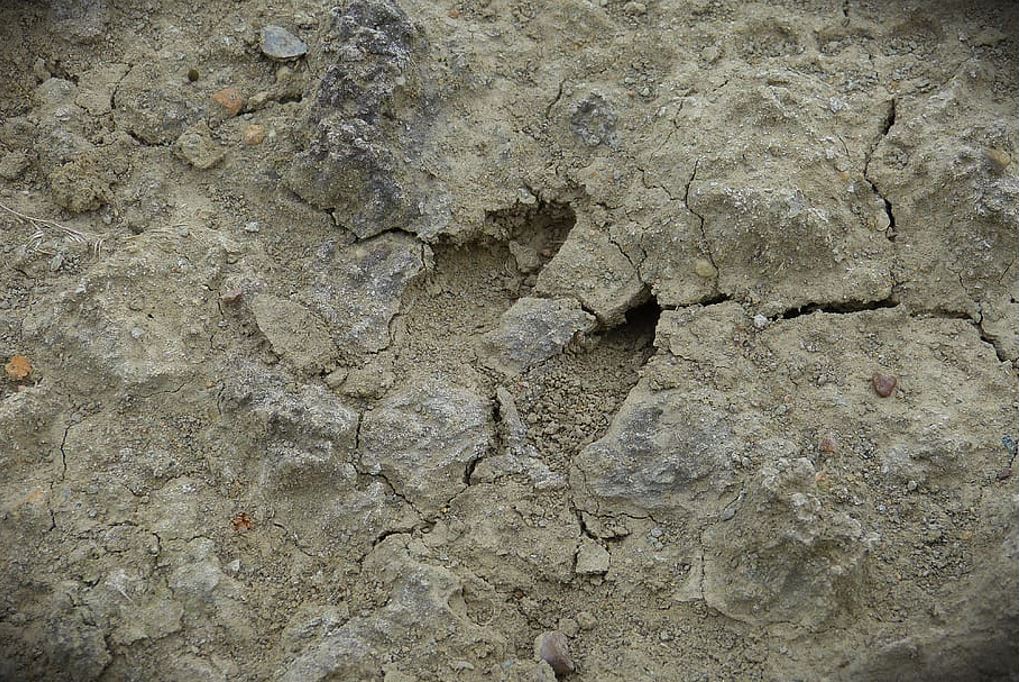
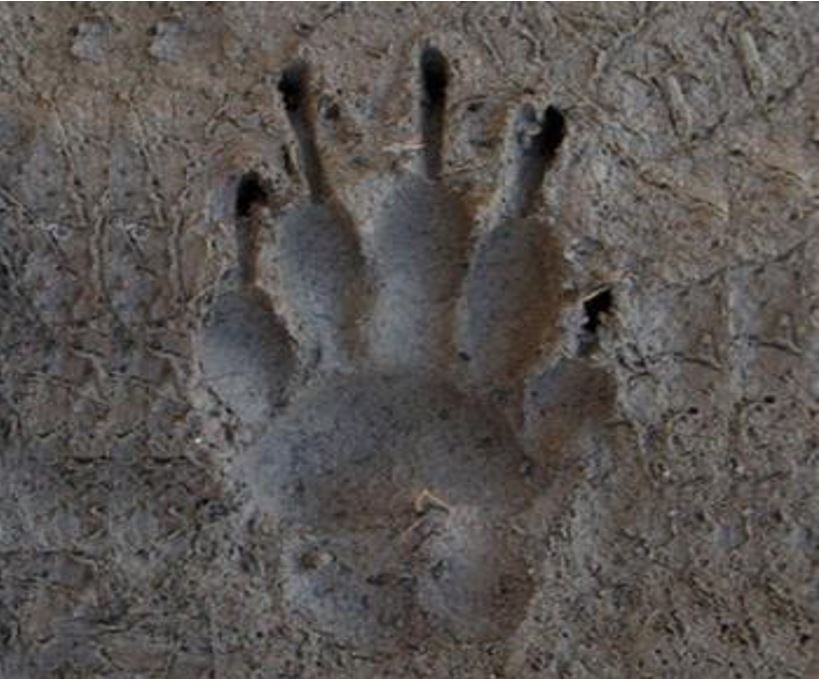
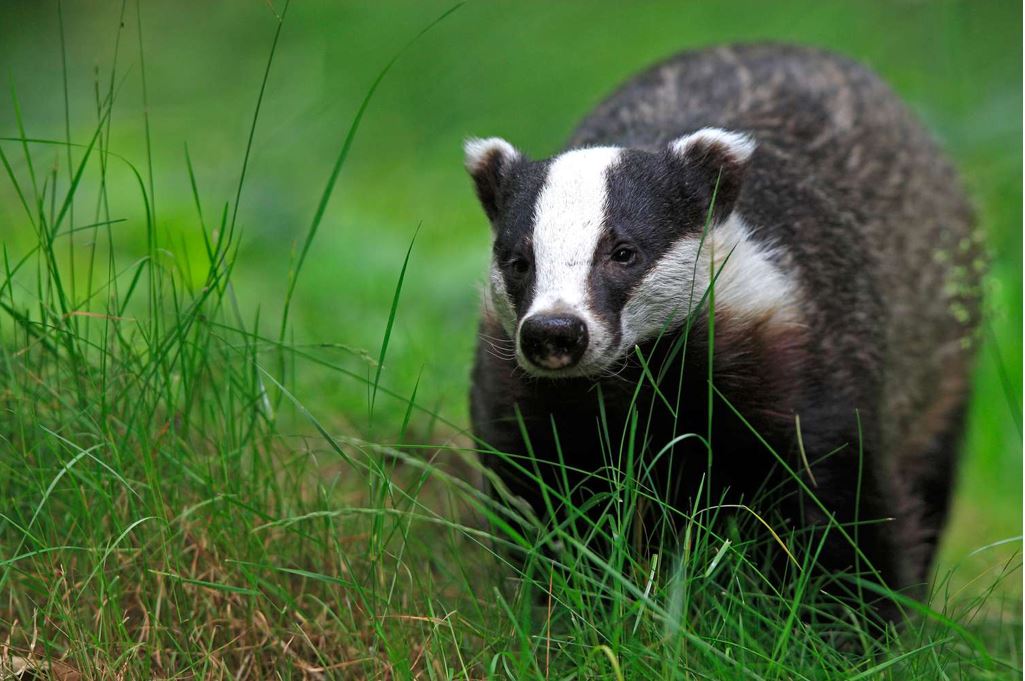
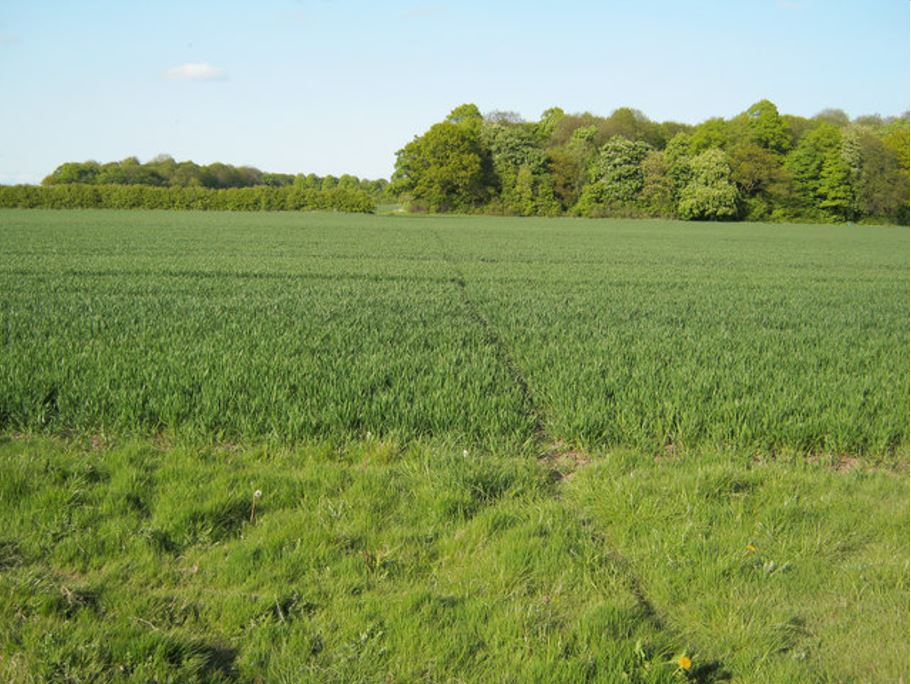
Plants can't move around. Animals, on the other hand, can move and will hide if they sense you approaching.Mole hills in a pasture.A mole. They surface occasionally but are rarely seen. This presentation is about the signs to look for to know what animals have been in the area.Rabbit tracks in snow - very characteristic and easy to identify.RabbitsThe print of a water bird and the size will indicate what type.MallardsCloven hoof print in mud. The size of this deer print will give some idea of which species.Roe DeerFive Claw Prints in Mud. Very characteristic of the badger - all 5 claws touch the ground in a line.A badger.Badger and dog prints for comparison. The badger track shows 5 claws, the dog's 4.A track like this across a field is where a fox passes regularly. It often leads to a hole through a hedge.A fox. If a fox has passed by recently you will smell the distinctive musky scent.Rabbit droppings - usually deposited in a group on a small mound.Rabbits. Grass is difficult to digest so it goes through a rabbit's gut twice.If you find this in your garden you are lucky. It is hedgehog poo and they feed on slugs, snails and other pests.HedgehogA badger's latrine - very smelly and irresistible to dogs.A Badger.A thrush's anvil, where it breaks open snail shells on a rock to get the juicy meat inside.A thrush.Rabbit damage to young trees usually seen in winter when little grass is available. RabbitsFeeding holes made by woodpeckers looking for larvae of woodboring beetles.Greater Spotted WoodpeckerHazelnut shell with hole gnawed in it. It has been eaten by a small rodent - a mouse or a vole.Wood mouse.An owl pellet.Tawny owl.Open an owl pellet to see what it has eaten. It regurgitates what it can't digest - fur and bones.The shrew has small sharp teeth because it eats insects and worms. The mouse has 2 large teeth at the front and square grinding teeth at the back because they eat grass.Rose leaf. Leafcutter bees take pieces of leaves to their nests to make compost to grow fungi to feed to their larvae.Leafcutter bee.Dock leaf with feeding damage of a jewel beetle.Jewel Beetle